


Nuclear Cardiology
Advanced cardiovascular diagnostics that help identify heart disease before it leads to serious complications, centered on state-of-the-art Nuclear Stress Testing.
Non-surgical
Performed through a small IV, with no incisions
Rest + Stress
Images of your heart at rest and under stress
Early detection
Finds reduced blood flow other tests can miss
Physician-read
Interpreted by experienced cardiologists
Overview
State-of-the-art nuclear stress testing
At Machado Cardio, we are committed to providing advanced cardiovascular diagnostics that help identify heart disease before it leads to serious complications. Our Nuclear Cardiology program is centered around state-of-the-art Nuclear Stress Testing, one of the most powerful tools available for evaluating blood flow to the heart muscle and detecting coronary artery disease.
A Nuclear Stress Test combines sophisticated imaging technology with stress-induced cardiac evaluation to assess how well blood is reaching the heart during both rest and activity. This highly sensitive test can identify areas of reduced blood flow, prior heart damage, and signs of blocked or narrowed coronary arteries that may not be apparent through routine examinations or electrocardiograms alone.
Our approach
Proactive care begins with accurate diagnosis
Our experienced physicians and certified nuclear technologists utilize the latest imaging protocols to deliver diagnostically rich studies that provide detailed information about cardiac function, myocardial perfusion, and overall cardiovascular risk. These studies allow us to detect disease earlier, guide treatment decisions more effectively, and help prevent future cardiac events such as heart attacks, heart failure, and worsening coronary artery disease.
At Machado Cardio, we believe that proactive cardiovascular care begins with accurate diagnosis. By leveraging advanced Nuclear Stress Testing technology, we help physicians and patients make informed decisions that lead to better outcomes, improved quality of life, and long-term heart health.
Meet our founder
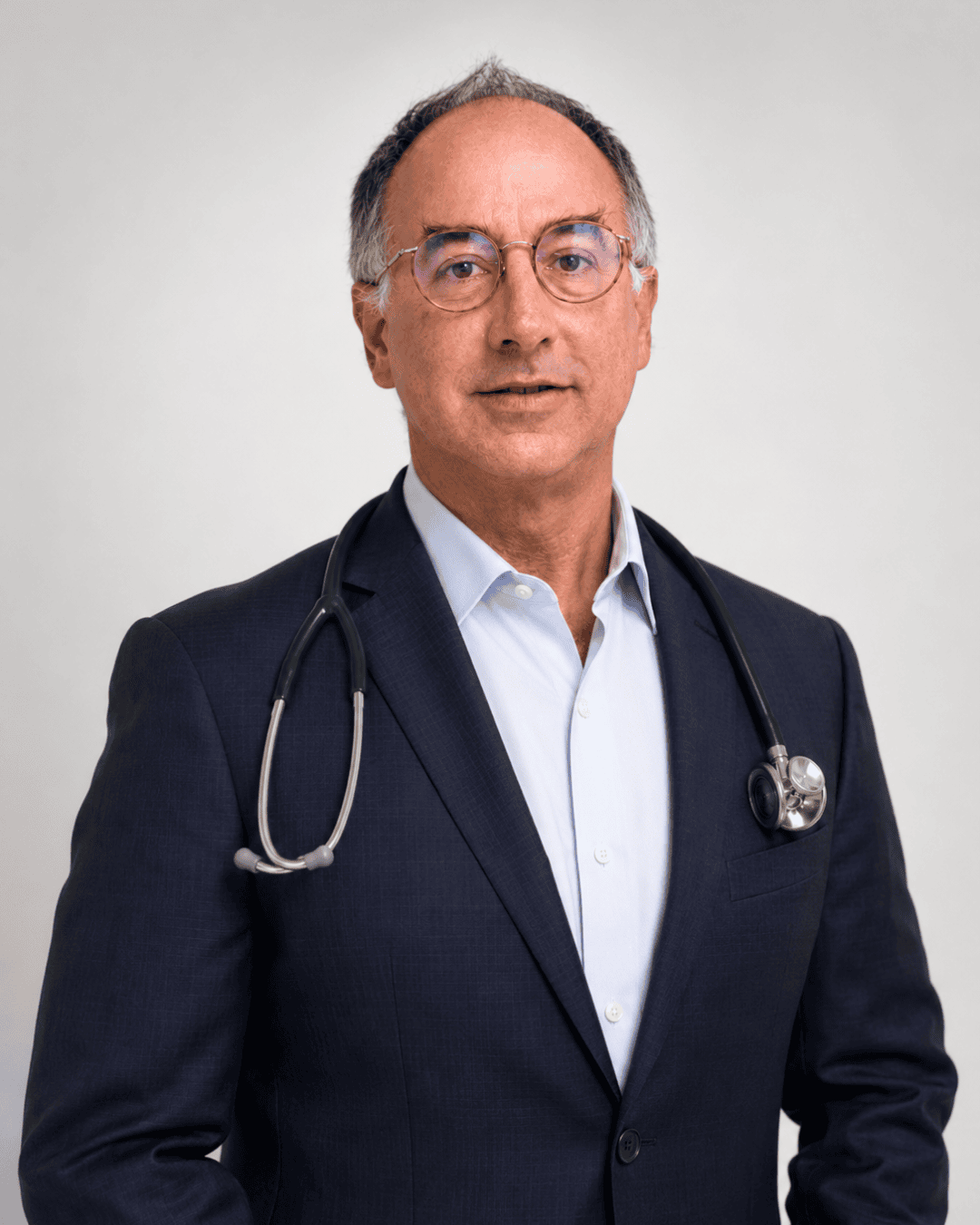
Dr. Humberto C. Machado
- Third-Generation Cardiologist
- Board-Certified
- 25+ Years of Experience
Dr. Humberto C. Machado is a board-certified, third-generation cardiologist who has served patients throughout South Florida for more than two decades.
Cardiology is part of his family legacy, but what distinguishes Dr. Machado is the personal connection he develops with his patients. He takes the time to listen, understand their concerns, explain their cardiovascular health clearly, and involve them in decisions about their care.
His approach combines preventive cardiology, advanced diagnostic technology, evidence-based medicine, and personalized treatment. His goal is not only to treat heart disease, but also to identify risks early, prevent complications, and help every patient achieve better long-term heart health.
What it shows
What a nuclear stress test can reveal
Detailed information about how your heart is working, including:
Blood flow to the heart
How well blood reaches the heart muscle at rest and during activity.
Blocked or narrowed arteries
Signs of coronary artery disease that routine exams and ECGs may not show.
Prior heart damage
Areas of the heart muscle affected by a previous heart attack.
Cardiac function
How well the heart pumps, supporting treatment decisions.
Overall cardiovascular risk
Information that helps guide treatment and prevent future cardiac events.
Treatment guidance
Results that help physicians and patients make informed decisions.
Who it is for
Who may benefit
Your cardiologist will decide whether this test is right for you. It may be recommended for patients with:
- Chest pain or pressure
- Shortness of breath with activity
- Known or suspected coronary artery disease
- Risk factors such as high blood pressure, diabetes, high cholesterol or family history
- Unclear results from an earlier test
- Heart evaluation before certain surgeries
What to expect
Your visit, step by step
The exact timing varies by patient and by the imaging protocol your doctor orders. Plan for a few hours at the office.
01 Check-in & IV
A technologist reviews your history and medications, then places a small IV.
02 Resting images
After a small dose of tracer, a camera takes pictures of your heart while you rest.
03 Stress portion
You exercise on a treadmill, or receive a medication that makes your heart respond as if you were exercising. A second dose of tracer is given.
04 Stress images & results
More pictures are taken after stress. Your cardiologist reviews both sets and explains the results.
Preparation
How to get ready
Our team will give you instructions specific to your test when you schedule. In general, patients are often asked to:
- Avoid caffeine for the period our office specifies
- Avoid eating for a few hours before the test, if instructed
- Wear comfortable clothes and walking shoes
- Bring a list of your medications and your insurance card
Do not stop or change any medicine unless your cardiologist tells you to. Always follow the written instructions you receive from our office.
Safety
Is it safe?
Nuclear stress testing is widely used and considered safe for most patients. The tracer contains a very small amount of radioactivity and leaves your body naturally. Drinking water after the test helps.
Tell us if you are pregnant, may be pregnant or are breastfeeding, and let us know about any allergies or past reactions to medicines. Our team monitors you throughout the test.
Questions
Frequently Asked Questions
Quick answers to common questions about nuclear cardiology at Machado Cardiology.
Plan on a few hours at the office. The imaging itself is short, but there are waiting periods between the tracer injections and the pictures. Our staff will give you an estimate when you schedule.
Many patients are referred by their primary care physician or another specialist, and some insurance plans require authorization. Call our office at (305) 529-9901 and our team will help.
You will feel a brief pinch when the IV is placed. The test is otherwise non-invasive. Our team will stop or adjust the test if you feel unwell.
Some heart medicines may need to be adjusted before the test. Your cardiologist will give you personal instructions. Do not change your medicines on your own.
Your cardiologist reviews the images and shares the results with you. Our team will tell you when to expect them and how they will be shared with you and your referring doctor.
More services
Other diagnostic services
Ready to Take Control of Your Heart Health?
Schedule an appointment with Dr. Machado and experience personalized cardiovascular care focused on prevention, early detection, and long-term wellness.